

12 Aug Spring Gardening Tips
Posted at 12:20h
in All
Spring Gardening Tips
Here are our 10 top tips for preparing your garden for spring:
- If you don’t have one already, now’s a great time to set up a composting area in your garden. You can find more details on home composting later in this newsletter.
- Tidy up your flower beds and borders. By removing any dead leaves from your borders, you help the light get to your bulbs and dormant plants, which will allow them to spring to life.
- Prune and trim roses before the leaf buds open. Cut the stems so the buds face outwards, not inwards and make a slanting cut down and out above the bud to prevent water running back into the plant and rotting it. Also prune back early flowering shrubs once they have finished flowering to give them maximum time for new growth.
- Plan your summer planting, to reduce the need for chemicals. Insects such as ladybirds and hoverfly larvae like to eat aphids, so encourage them into the garden with beneficial plants. Marigolds are particularly good for attracting ladybirds, so dotting them around the garden will attract our spotted friends.
- Set up a water butt and start collecting rainwater. This will not only reduce your household bills but ensure your garden stays green even in the heat of summer.
- Weeds germinate in the winter, so it’s a good idea to de-weed your garden in the spring before they establish and spread. Inspect your lawn edges to make sure that weeds don’t start growing into your flower beds. Doing it now will save a job later in the spring.
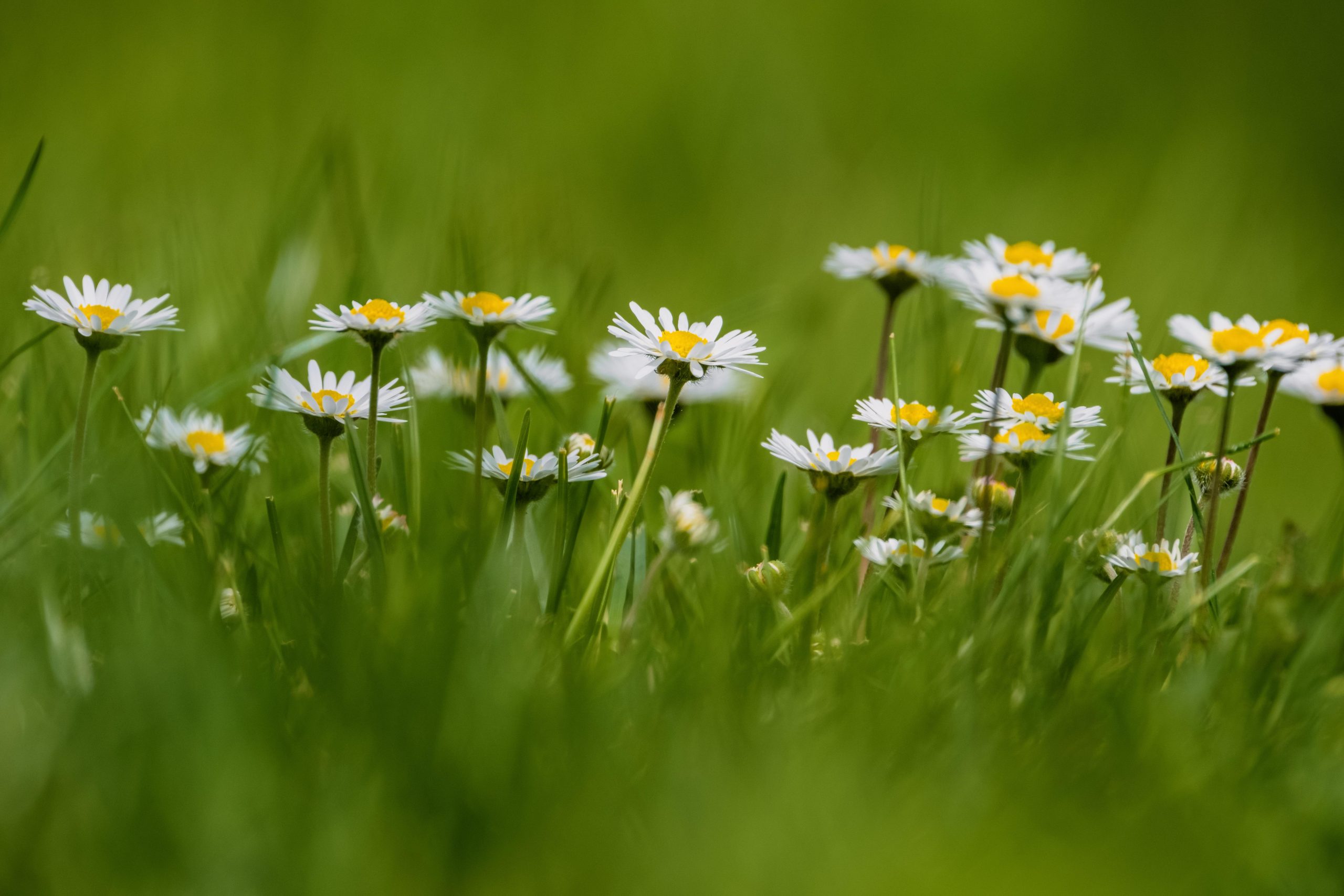
- It’s also worth thinking about what areas of your lawn you could leave ‘wild’. Longer grass will encourage wildflowers which, in turn, will attract insects to enhance garden pollination.
- It’s not too late to seed or turf worn out areas of lawn. If you decide on turf don’t allow it to dry out once laid, as it could shrink before it has rooted in. Start mowing high and gradually reduce the cut over the coming weeks until the desired height is achieved.
- Give your bird bath a good clean and make sure that your bird houses and feeders are spick and span. Also avoid trimming your hedges as this will disturb your feathered friends.
- Clean and sharpen the edges of your garden tools. Not only will it make digging easier, but you will be less likely to transfer diseases from other plants.